
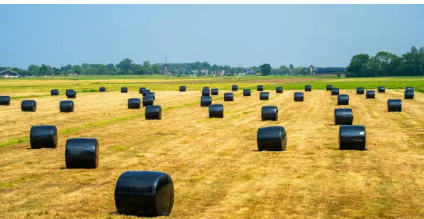
Silage preservation is a critical part of modern livestock farming in Australia, where fluctuating temperatures, strong UV exposure, and long storage periods can quickly degrade feed quality. One of the most effective innovations helping farmers protect fodder is the multi-layer silage wrap, a high-performance film that improves oxygen barrier protection and reduces spoilage losses.
Understanding how multi-layer silage wrap works—and why it performs better than traditional single-layer alternatives—can significantly improve feed efficiency, reduce waste, and ultimately increase farm profitability across Australian conditions.
Why Silage Protection Matters in Australia
Australian farming environments present unique challenges. High UV exposure in regions like Queensland and Western Australia, combined with humid coastal climates and dry inland heat, creates inconsistent storage conditions for silage. Poorly protected bales can suffer from mould growth, fermentation loss, and nutrient degradation.
It is where modern silage wrapping technology becomes essential. Farmers are increasingly moving toward advanced films, such as multi-layer silage wrap, because they offer stronger oxygen resistance, better puncture protection, and improved stretch capacity compared to conventional options.
By maintaining a tighter seal around bales, farmers can preserve feed quality for longer periods, especially during seasonal storage peaks.
What Makes Multi-Layer Technology Different?
Traditional silage wrap typically uses a single extrusion layer, which limits its ability to block oxygen and resist mechanical stress. In contrast, multi-layer films are engineered using several ultra-thin layers bonded together during manufacturing.
Each layer serves a specific purpose:
One layer enhances stretch strength
Another improves oxygen barrier performance
Additional layers increase puncture resistance
Outer layers protect against UV degradation
This layered engineering means that multi-layer silage wrap provides more consistent performance under pressure, especially when bales are handled frequently or stored outdoors for extended periods.
Farmers using multi-layer silage wrap often report reduced spoilage losses and better fermentation quality, particularly in high-temperature regions of Australia where maintaining feed stability is more difficult.
Key Benefits for Australian Farmers
One of the main reasons adoption is growing is the direct economic benefit. Feed is one of the highest operational costs in livestock production, so reducing waste has an immediate financial impact.
The advantages include:
Reduced oxygen infiltration and spoilage
Improved bale integrity during transport and storage
Better UV resistance for outdoor stacking
More consistent fermentation results
Lower overall feed loss percentage
In large-scale Australian operations, even small improvements in silage preservation can translate into significant annual savings.
Farmers working in cattle, dairy, and sheep production are particularly benefiting from the shift toward higher-grade wrapping materials.
Choosing the Right Silage Film for Your Conditions
Not all silage wraps are created equal, and selecting the right product depends heavily on the environment and storage duration. For Australian conditions, UV stability and puncture resistance are especially important due to long exposure periods and rough handling during transport.
Many producers now prefer multi-layer silage wrap because it maintains elasticity even in extreme heat, reducing the likelihood of tears during wrapping or stacking.
Another consideration is film thickness and stretch ratio. Higher stretch ratios can reduce plastic usage per bale, but only if the film maintains structural integrity under tension. It is where multi-layer engineering provides a clear advantage over older single-layer products.
Practical Application Tips for Best Results
Even the best material can underperform if applied incorrectly. Proper wrapping technique is essential to maximise oxygen exclusion and maintain bale shape.
Best practices include:
Ensuring consistent overlap between layers
Wrapping immediately after baling to reduce exposure
Storing bales on clean, debris-free ground
Avoiding sharp edges or puncture risks during stacking
Using multi-layer silage wrap correctly ensures the layers bond tightly, forming a near-impermeable barrier that protects feed quality over long storage cycles.
Cost vs Long-Term Value
While multi-layer films may have a higher upfront cost compared to standard wrap, the long-term return is typically stronger. Reduced spoilage means less wasted feed, fewer rejected bales, and improved livestock performance.
In Australian farming systems where feed shortages can occur during dry seasons, maintaining silage quality is not just an operational preference—it is a financial necessity.
That is why more producers are transitioning to multi-layer silage wrap, viewing it as an investment rather than an expense.
Final Thoughts
As Australian agriculture continues to evolve toward efficiency and sustainability, silage preservation technology is becoming increasingly important. Multi-layer films represent a significant step forward in protecting feed quality under challenging environmental conditions.
For farmers looking to improve storage performance, reduce waste, and enhance livestock nutrition outcomes, adopting multi-layer silage wrap is one of the most practical upgrades available today.
In a country where climate variability is the norm, better protection of stored feed is not optional—it is essential for long-term farm resilience.