
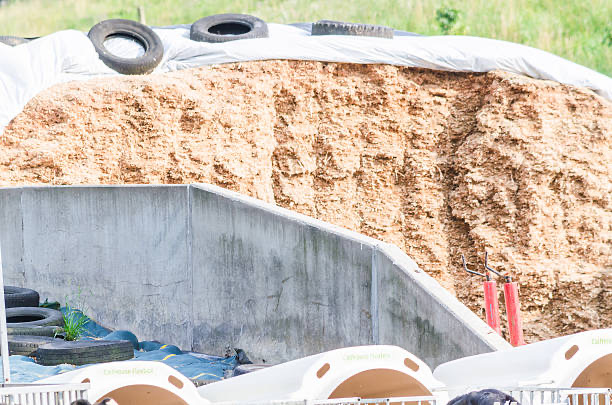
Maintaining high-quality silage is essential for healthy livestock and efficient farm operations in Australia. One of the most effective ways to prevent contamination and preserve feed quality is by using silage covers. These protective covers not only safeguard silage from external threats like pests, water, and air but also help maintain the nutritional value of stored feed. By implementing simple strategies with the right silage covers, farmers can reduce waste, ensure feed safety, and optimize livestock performance.
The Importance of Preventing Silage Contamination
Contaminated silage can have serious consequences for livestock health. Exposure to mold, bacteria, or foreign materials can lead to digestive issues, reduced milk production, slower growth, and in severe cases, illness or death. Additionally, contaminated silage results in wasted feed and increased farm costs.
Silage covers play a crucial role in minimizing these risks. By creating a secure barrier between silage and the environment, covers prevent contamination while promoting proper fermentation. This ensures that livestock receive nutritious, safe feed throughout the storage period.
How Silage Covers Help Prevent Contamination
Silage covers protect stored feed in several ways:
- Barrier Against Air and Moisture: Oxygen and excess moisture are major contributors to spoilage and microbial growth. Silage covers create an airtight seal, maintaining anaerobic conditions and preventing mold or bacterial contamination.
- Protection from Pests: Birds, rodents, and insects can easily access exposed silage and introduce harmful pathogens. Covers act as a physical barrier, keeping pests out.
- UV Protection: Sunlight can degrade silage quality and encourage microbial growth. UV-resistant covers help maintain feed quality by reducing exposure to harmful rays.
- Preventing Debris Entry: Dust, leaves, and other debris can contaminate silage and accelerate spoilage. Covers keep the feed clean and free from external pollutants.
By addressing these key factors, silage covers significantly reduce the risk of contamination, ensuring feed remains safe and nutritious.
Choosing the Right Silage Cover
Selecting the appropriate silage cover is essential for effective protection. Key considerations include:
- Durability: Choose materials resistant to tears, punctures, and harsh weather to maintain a secure seal.
- UV Resistance: Covers with UV protection help prevent nutrient loss and microbial growth caused by sunlight.
- Moisture and Oxygen Barrier: High-quality covers prevent air and water infiltration, essential for proper fermentation.
- Ease of Handling: Lightweight yet strong covers are easier to install, remove, and store, saving time and labor.
- Cost-Effectiveness: Investing in a durable, high-quality cover reduces the risk of contamination and feed loss, making it a worthwhile long-term investment.
By selecting the right cover material, farmers can significantly enhance silage safety and longevity.
Simple Strategies for Using Silage Covers
Using silage covers effectively requires more than just placing them over feed. Implement these simple strategies to prevent contamination:
- Prepare the Storage Area: Ensure the site is clean, free of sharp objects, rocks, and debris that could puncture the cover.
- Proper Compaction: Compacting silage reduces air pockets and supports anaerobic fermentation, minimizing the risk of spoilage.
- Secure the Cover: Use weights, sandbags, or tie-down systems to prevent wind or rain from lifting the cover and exposing feed.
- Regular Inspections: Check for tears, gaps, or damage, and repair immediately to maintain an airtight barrier.
- Use Double Layers for Long-Term Storage: For extended storage periods, consider adding a second layer or oxygen barrier film to enhance protection.
- Limit Traffic on Silage: Minimize walking or driving over silage to prevent punctures and contamination.
Following these practices ensures silage covers provide optimal protection against contamination and maintain feed quality.
Benefits of Preventing Silage Contamination
Using silage covers and implementing preventive strategies offers multiple benefits:
- Reduced Feed Waste: Properly protected silage remains usable for longer, decreasing overall feed loss.
- Preserved Nutritional Value: Minimizing contamination ensures livestock receive nutrient-rich feed, supporting growth and production.
- Lower Farm Costs: Reducing spoilage and contamination saves money by decreasing the need for additional feed purchases.
- Labor Efficiency: Well-maintained silage requires less monitoring and corrective work, freeing up time for other farm tasks.
- Sustainable Farming: Preventing waste contributes to environmentally responsible farming practices.
These advantages make silage covers a smart investment for any modern farm aiming to optimize productivity and efficiency.
Conclusion
Silage covers are essential for preventing contamination and ensuring high-quality feed for livestock. By choosing the right material and following simple strategies—such as securing covers, proper compaction, and regular inspections—farmers can protect silage from pests, moisture, air, and debris.
Implementing these practices not only extends the shelf life of silage but also reduces waste, preserves nutritional value, and improves overall farm efficiency. For modern farms in Australia seeking to maximize productivity while safeguarding livestock health, investing in quality silage covers and effective contamination-prevention strategies is a practical and cost-effective solution.