
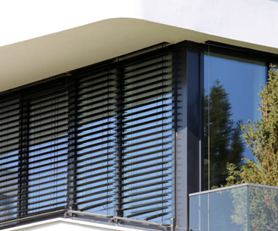
Heavy mesh blinds can provide excellent shade, airflow control, and privacy around Golden Grove homes, but their mounting points need to support more than the blind’s operating load. When a track-guided system is fixed to a perimeter brick wall, seasonal ground movement can stress masonry, brackets, and fixings.
For homeowners comparing outdoor blinds Adelaide solutions, expansion-tolerant mounting is important where walls, paving, and posts may move slightly over time. A correctly designed post-to-wall connection allows controlled movement while keeping the blind tracks aligned, secure, and easy to operate.
Why brick walls need movement-tolerant fixtures
Brickwork is strong, but it is not designed to absorb unlimited movement from attached structures. In established and newer parts of Adelaide, changes in soil moisture can contribute to movement around footings and paved areas.
A rigid bracket that locks a blind post tightly against a moving wall can transfer those forces directly into the mounting points. Over time, this may contribute to loose anchors, distorted plates or difficulty operating the blind.
This is why outdoor blinds mounting brackets, brickwork movement, and Adelaide installations should be assessed according to the wall construction and expected movement at the mounting location.
How expansion-tolerant mounting works
An expansion joint fixture creates a controlled connection between the blind post and masonry surface. Instead of forcing every component to remain completely rigid, the mounting arrangement can accommodate limited movement while maintaining the blind’s structural position.
Depending on the installation, this may involve:
● Flexible or movement-tolerant masonry anchors
● Slotted mounting plates that permit controlled adjustment
● Spacers between the post and uneven brick surfaces
● Heavy-duty brackets designed for the blind’s load
● Correctly positioned fixings that avoid weak mortar joints
The installer should select the specific hardware rather than treating it as interchangeable. Brick type, wall condition, post dimensions and blind size all affect the appropriate fixing method.
Choosing outdoor blinds mounting brackets for Golden Grove
For outdoor blinds mounting brackets, brickwork movement, and Adelaide projects, start by inspecting the wall rather than choosing the strongest-looking bracket.
Check the masonry
Installers should identify whether the fixing point is solid brick, masonry veneer or another wall construction. The condition of the bricks and mortar also matters, particularly on older homes where mortar joints may have deteriorated.
Allow for controlled adjustment.
A mounting plate with suitable adjustment can help keep the blind track vertical if it moves slightly. The adjustment should not compromise the system’s stability or leave the blind unsupported.
Keep the tracks aligned.
Heavy mesh blinds depend on correctly positioned guides for smooth operation. If a wall-mounted post shifts, even slightly, the track can become misaligned with the opposite side.
A well-planned window treatment installation therefore considers the complete assembly rather than treating the bracket as an isolated component.
Maintenance after installation
Expansion-tolerant hardware still needs periodic inspection. Check the brackets, anchors, posts and tracks for visible movement, corrosion, loose fasteners or changes in alignment.
Also watch for changes in how the blind operates. Increased resistance, unusual rubbing or a track that no longer appears straight can indicate that the mounting system needs adjustment.
Avoid simply tightening every fastener as much as possible. If the fixture is designed to accommodate movement, excessive tightening may restrict the intended movement mechanism or add stress to the masonry.
A practical approach for Adelaide homes
Quality outdoor blinds Adelaide installations should account for the building, the surrounding ground conditions, and the blind’s operating requirements. In Golden Grove, this is particularly relevant when a blind post meets a perimeter brick wall beside paving, retaining structures or other areas where movement may occur.
Professional measurement and installation can identify suitable fixing locations and determine whether a conventional bracket or movement-tolerant connection is appropriate.
Conclusion
Post-to-wall expansion joint fixtures offer a practical way to mount heavy mesh outdoor blinds where masonry and surrounding structures may move seasonally. Flexible anchors, suitable mounting plates, and accurate track alignment help keep the installation secure and functional.
If you’re planning outdoor blinds Adelaide for a Golden Grove property, ask your installer how the post-to-wall connection will accommodate masonry movement before installation begins. A properly engineered mounting arrangement can make maintenance easier while protecting both the blind system and its supporting wall.
—
FAQs
1. Why use expansion-tolerant fixtures for outdoor blinds?
They can accommodate limited movement between the blind structure and masonry while helping maintain a secure connection.
2. Can heavy mesh blinds be mounted directly to brickwork?
Yes, provided the wall construction, fixing points, bracket capacity and blind loads are properly assessed.
3. What causes movement around brick-mounted outdoor blinds?
Seasonal changes in ground moisture, footing movement and changes around adjoining paving or structures can contribute to movement.
4. How often should outdoor blind brackets be inspected?
Periodic visual inspections are advisable, particularly if the blind develops operating resistance, track misalignment or visible movement.
5. Should I install movement-tolerant brackets myself?
For heavy track-guided systems, professional installation is preferable because the correct anchors and mounting arrangement depend on the wall and blind specifications.