
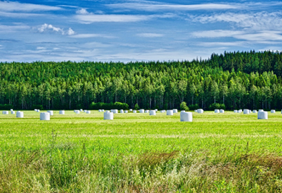
The Australian Government has supported work towards a national product stewardship approach for farm plastics, while Dairy Australia has worked with industry to develop practical recycling pathways. Used bale wrap is an unavoidable part of modern silage production, but what happens after the bale is opened matters just as much as how effectively it protected the fodder. Across Australia, dairy and livestock producers are being encouraged to keep agricultural plastics out of landfill, paddocks and waterways by preparing them for recovery and recycling.
Why Proper Bale Wrap Disposal Matters
Silage film is generally made from polyethylene and can be recovered when it is kept reasonably clean and separated from other farm waste. However, soil, stones, metal, feed residue, twine, and netting can contaminate a recycling load, making processing more difficult.
Dairy Australia’s regional recycling trial found that preparing used film correctly was key to making the collection and reprocessing system work. Farmers involved in the trial used dedicated bins or liners and separated net wrap before storing the plastic.
How to Prepare Bale Wrap for Recycling
Good on-farm handling starts immediately after the silage is removed.
1. Shake Off Contamination
Before placing used bale wrap into a collection liner, remove loose silage, dirt, stones and other hard materials. Some programs may accept a small amount of residual plant material, but farmers should follow the requirements of their nominated collection service.
2. Separate Other Materials
Do not treat all agricultural plastics as a single recycling stream. Remove:
● Bale netting
● Baling twine
● Wire and metal
● Rocks and stones
● Excess soil
● Other plastic products
Different materials can require different processing methods, so mixing them may result in a load being rejected.
3. Keep the Film Dry
Store prepared bale wrap under cover where possible. Wet, heavily contaminated material can increase handling problems and reduce the quality of the recyclable feedstock.
Use the bags, liners or containers specified by the recycling program rather than assuming a standard rubbish bag will be accepted.
Understanding Silage Bale Wrap Recycling Plasback Australia
Farmers searching for silage bale wrap recycling Plasback Australia should check the current availability and collection arrangements in their region before accumulating a large volume of film.
Plasback has an established agricultural product stewardship model in New Zealand and has also been involved in Australian silage-plastic recycling trials. However, Dairy Australia states that Australia currently lacks a single national silage-plastic collection program operating across all regions. Collection options can therefore vary by location and may involve councils, community groups or recycling businesses.
This distinction is important. A stewardship program or recycling pathway may be available in one district while another farming region has different requirements or no active collection service.
Building a Paddock-to-Recycling System
For dairy and livestock farms, a simple internal process can make recycling easier:
1. Collect used film immediately after feeding.
2. Shake off loose dirt and silage.
3. Separate netting, twine and other materials.
4. Store film in the approved liner or container.
5. Protect filled bags from rain and unnecessary contamination.
6. Arrange collection or delivery through the relevant local program.
7. Confirm acceptance requirements before transporting the load.
This approach reduces the chance of recyclable plastic being mixed with general farm waste.
Supporting Australia’s Circular Agriculture Economy
Australia’s agricultural product stewardship work is intended to create practical end-of-life pathways that involve farmers, suppliers, recyclers, and other supply chain participants. The Australian Government-supported national initiative was designed to help the dairy industry work towards recycling all silage wrap by 2030.
For farmers, the most useful contribution is straightforward: keep used plastic clean, separated and ready for an appropriate recycling pathway. Do not burn or bury agricultural film; local authorities specifically warn against these disposal practices because of their environmental impacts.
Conclusion
Responsible bale wrap management starts in the paddock and finishes at an approved collection or recycling point. Clean separation, dry storage and correct packaging can help turn used silage film from farm waste into a recoverable material.
Check with your local council, agricultural recycling provider or industry organisation for the latest collection options before storing your next load. Following the correct process helps Australian farmers reduce waste and support a more circular agricultural plastics system.
—
FAQs
1. Can bale wrap be recycled in Australia?
Yes, used silage film can be recycled where an appropriate collection and reprocessing pathway is available. Availability varies between regions.
2. How should bale wrap be prepared for recycling?
Shake off loose silage, dirt and hard contaminants, then separate the film from netting, twine and other materials. Follow the requirements of the specific recycling program.
3. Can bale wrap be mixed with bale netting?
Generally, no. Netting should be removed because it is a different material and can contaminate the silage-film recycling stream.
4. Is there a national bale wrap recycling program in Australia?
Australia is developing longer-term product stewardship solutions, but Dairy Australia states that no national silage-plastic collection program currently operates across the country.
5. Should farmers burn or bury used silage wrap?
No. Farmers should use an appropriate recycling or waste-disposal pathway rather than burning or burying used agricultural film.