
Die-cutting is an essential technique in the manufacturing, packaging, and design industries. In New Zealand, die-cut services have become crucial for companies looking to achieve precision, flexibility, and efficiency in their production processes. From packaging to promotional materials and custom designs, die-cutting plays a significant role in creating high-quality products. For quality QuickBrownBox die cut services, click here.
What is Die Cutting?
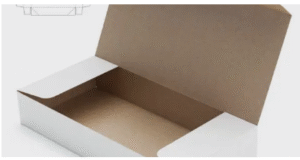 Die cutting is a process used to cut, shape, and design materials with precision using a die (a specialised tool). This method is widely used across various industries to create complex shapes or patterns that are difficult to achieve using traditional cutting methods. A die is typically made of steel or other durable materials and can cut through a range of materials, such as paper, cardboard, fabric, foam, and even certain plastics.
The die-cutting process uses a sharp blade or a set of blades to cut out custom shapes from sheets of material. Depending on the scale of production and complexity of the design, this process can be done manually or using automated machines.
How Does Die Cutting Work?
Die cutting can be performed in several ways, including:
- Flatbed Die Cutting: This method involves placing a sheet of material on a flatbed and pressing it with a die to cut through the material. It is ideal for cutting large and heavy materials and is often used for packaging and heavy-duty applications.
- Rotary Die Cutting: A rotary die cutting machine uses a rotating cylindrical die to cut through material. This process is faster and more efficient for high-volume production runs and is often used for more minor or more intricate cuts.
- Laser die cutting uses a high-powered laser beam to cut through materials. It offers extreme precision and is often used for intricate designs or small details that would be difficult to achieve with traditional die-cutting.
Each method has its advantages depending on the material being cut, the complexity of the design, and the required production speed.
Applications of Die Cutting in New Zealand
Die cutting is an incredibly versatile technique with a broad range of applications across many industries in New Zealand. Some of the most common uses of die-cutting include:
Packaging and Labelling
Die-cutting is a critical component of the packaging industry. Custom die-cut packaging creates unique shapes and sizes for product boxes, inserts, and other packaging materials. Packaging companies use die-cutting to ensure that their products fit perfectly and stand out on the shelf. The ability to create unique designs, folds, and perforations makes die-cut packaging an attractive option for businesses looking to differentiate their products.
Promotional Materials
Businesses in New Zealand use die-cut designs to create eye-catching promotional materials such as flyers, brochures, and business cards. Die-cutting enables companies to create shapes and designs that immediately capture attention, adding an extra level of appeal and creativity to their marketing materials. Custom shapes, cut-outs, and intricate designs can help a business stand out from competitors.
Printing and Signage
Die cutting is widely used in the printing and signage industry to create custom signs, labels, and decals. Whether it’s for creating large outdoor signs or small stickers, die-cutting can achieve precise shapes and sizes that are crucial for clear, effective signage. It allows for creative flexibility, enabling designers to craft unique signage that complements a brand’s aesthetic.
Textiles and Apparel
In the textile and fashion industries, die-cutting is often used to cut fabric into specific patterns for garments and accessories. It allows for efficient cutting of complex shapes and designs, ensuring that each piece of fabric is consistent and precise. It is particularly valuable for high-volume garment production where speed and accuracy are essential.
Crafting and Custom Designs
The die-cutting industry in New Zealand has also seen growth in the crafting and custom design market. Scrapbookers, artists, and hobbyists often use die-cutting to create intricate designs and personalised projects. Whether it’s creating unique greeting cards, stencils, or gift tags, die-cutting adds a level of precision and quality that can’t be easily achieved by hand.
Conclusion:
Die cutting is a versatile, efficient, and cost-effective solution for businesses in New Zealand across a wide range of industries. Whether for packaging, promotional materials, signage, or custom designs, die-cutting offers the precision and creativity that businesses need to stand out in a competitive market.