
In the quest for a comfortable home environment without skyrocketing energy bills, Daikin reverse cycle air conditioners have emerged as a leading solution for Australian households. These systems not only provide effective heating and cooling all year round but also significantly enhance energy efficiency. In a country where energy costs and environmental concerns are at the forefront of people’s minds, understanding how Daikin’s technology optimises energy use can help you make an informed decision for your home.
What Makes Daikin Reverse Cycle Air Conditioners Energy Efficient?
Daikin has engineered its reverse cycle air conditioners to perform with maximum efficiency, combining innovative technology and intelligent design. Unlike traditional heating or cooling systems that consume high amounts of energy, Daikin’s units use advanced inverter technology. This means the compressor speed adjusts dynamically to match the desired temperature, rather than operating at full power constantly. The result is smoother temperature control and lower energy consumption, which translates into reduced electricity bills.
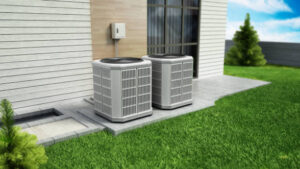
Furthermore, Daikin’s systems incorporate high Seasonal Energy Efficiency Ratio (SEER) and Heating Seasonal Performance Factor (HSPF) ratings, crucial metrics in Australia’s climate, where seasons can be extreme. These ratings indicate how effectively the unit converts electricity into heating or cooling over time, making Daikin reverse cycle air conditioners one of the best choices for energy-conscious consumers.
Year-Round Comfort with Cost-Effective Climate Control
Australia’s climate varies widely—from scorching summers in the north to chilly winters in the south. This variability makes a reverse cycle air conditioner an ideal solution, as it provides both heating and cooling through a single unit. By using one device for multiple climate needs, households can avoid the inefficiency and cost of separate heating and cooling appliances.
Daikin reverse cycle air conditioners excel at maintaining consistent indoor temperatures without overworking. Their heat pump technology extracts heat from the outside air to warm your home during winter and reverses the process to cool the air in summer. This method uses less electrical energy compared to traditional electric heaters or standalone air conditioners, enhancing your home’s energy efficiency.
Intelligent Features That Reduce Waste
Energy efficiency is not only about hardware but also smart operation. Daikin units come equipped with intelligent sensors and programmable timers. For example, occupancy sensors detect whether a room is in use and adjust the temperature accordingly, preventing energy waste in unoccupied spaces. Some models also include Wi-Fi connectivity, allowing homeowners to control their air conditioners remotely through smartphone apps, optimising energy use based on real-time needs.
Additionally, Daikin reverse cycle air conditioners have features such as eco-mode, which limits power consumption during peak electricity tariff periods. This is particularly valuable in Australia, where electricity pricing can fluctuate throughout the day.
Environmental Impact and Sustainability Benefits
Reducing energy consumption in your home directly contributes to lowering your carbon footprint, a significant concern in Australia’s efforts to combat climate change. Daikin’s commitment to environmental sustainability is evident in their use of environmentally friendly refrigerants, such as R-32, which have a lower global warming potential compared to older refrigerants.
By choosing a Daikin reverse cycle air conditioner, you support cleaner technology that aligns with Australia’s national targets for energy efficiency and greenhouse gas reductions. Furthermore, the high durability and long lifespan of Daikin units mean fewer replacements and less waste over time, which adds to their sustainability appeal.
Cost Savings Beyond Energy Efficiency
While the initial investment in a Daikin reverse cycle air conditioner might be higher than that of basic models, the long-term savings are substantial. The reduced energy consumption means lower electricity bills year-round, often offsetting the upfront costs within a few years. Moreover, many Australian states offer rebates and incentives for installing energy-efficient appliances, which can further reduce the cost.
Additionally, Daikin’s reliable performance reduces maintenance costs. The brand’s advanced filtration systems and self-cleaning features mean fewer repairs and better air quality, contributing to healthier living spaces.
Tailored Solutions for Australian Homes
Daikin understands that Australian homes vary greatly—from urban apartments in Sydney to spacious houses in regional areas. They offer a range of reverse cycle air conditioners designed to meet diverse needs, including multi-split systems for multiple rooms and ducted options for whole-home climate control.
Professional installation and local support networks across Australia ensure that homeowners receive tailored advice on the most energy-efficient setup for their property. This local expertise maximises system performance and efficiency in real Australian conditions.
Conclusion: Investing in Energy Efficiency with Daikin
In a time when managing energy consumption is more important than ever, Daikin reverse cycle air conditioners provide a smart, reliable, and sustainable solution for Australian homeowners. Through cutting-edge technology, intelligent features, and eco-friendly refrigerants, these systems deliver year-round comfort while significantly improving energy efficiency.
Choosing Daikin means investing in a product that aligns with Australia’s energy challenges and environmental goals, helping you save money and reduce your ecological footprint simultaneously. For those looking to optimise home climate control with confidence, Daikin reverse cycle air conditioners stand out as a professional and future-proof choice.
If you want to explore how a Daikin system can specifically benefit your home and lifestyle, consulting with local Australian Daikin dealers is a great next step toward smarter, greener living.