
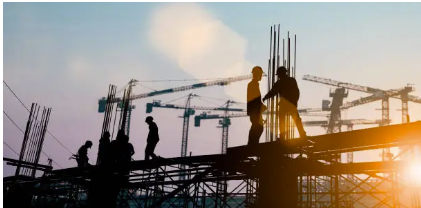
Workplace safety is a critical concern for construction companies Melbourne, as the industry is inherently high-risk. From large-scale commercial projects to residential developments, ensuring the well-being of employees, subcontractors, and the public is non-negotiable. In Melbourne, where urban development continues to accelerate, construction companies must navigate strict regulatory frameworks while maintaining efficient project delivery. The city’s dynamic construction environment demands that companies proactively implement safety protocols and compliance measures, ensuring that every site operates under the highest standards.
Regulatory Compliance in Melbourne’s Construction Industry
construction companies Melbourne operate under a robust regulatory system designed to minimise risk and promote safety. The Victorian Occupational Health and Safety Act (OHS Act 2004) sets clear guidelines that organisations must follow. Compliance includes proper site management, risk assessments, incident reporting, and worker training. Additionally, SafeWork Australia provides national guidelines that Melbourne-based companies integrate into their site-specific safety plans. Adherence to these regulations is not just a legal obligation; it is a core element of organisational culture, reflecting a company’s commitment to ethical and responsible practices.
Comprehensive Safety Training Programs
One of the primary ways construction companies Melbourne maintain workplace safety is through comprehensive training programs. These programs cover a wide range of topics, from operating heavy machinery to managing hazardous materials. Training is often tailored to the unique challenges of urban construction projects in Melbourne, such as working in densely populated areas or navigating restricted sites. New employees undergo induction programs that familiarise them with site-specific safety protocols, while existing staff participate in ongoing professional development. By cultivating a knowledgeable, vigilant workforce, companies reduce the likelihood of accidents and ensure smoother project execution.
Risk Assessment and Hazard Management
Effective risk assessment is a cornerstone of safety in Melbourne’s construction industry. Construction companies Melbourne routinely conduct detailed site inspections to identify potential hazards, from structural weaknesses to environmental risks like extreme weather conditions. These assessments are documented and regularly updated to account for changes in project scope or site conditions. Once risks are identified, companies implement control measures such as protective equipment, safety barriers, and emergency response plans. This proactive approach not only protects workers but also minimises project delays caused by accidents or regulatory breaches.
Technology-Driven Safety Solutions
In recent years, construction companies in Melbourne have increasingly embraced technology to enhance workplace safety. Tools such as wearable sensors, drones, and automated monitoring systems allow for real-time oversight of high-risk areas. For example, drones can quickly survey large construction sites, identifying hazards that might be missed during manual inspections. Similarly, wearable devices can track workers’ vital signs and alert supervisors to potential safety issues, such as fatigue or exposure to harmful substances. By integrating technology into daily operations, Melbourne construction firms create safer, more responsive work environments that adapt to evolving project demands.
Fostering a Safety-Oriented Culture
Beyond regulations and technology, workplace safety depends on a strong organisational culture. Construction companies Melbourne invest in creating environments where safety is a shared responsibility. Management teams lead by example, emphasising safety in meetings, site inspections, and project planning. Employees are encouraged to report hazards without fear of reprisal, fostering transparency and collaboration. This culture extends to subcontractors and suppliers, ensuring that all parties involved in a project prioritise safety and compliance. The result is a workforce that is not only skilled but also engaged in maintaining high standards.
Emergency Preparedness and Incident Response
Even with stringent safety measures, emergencies can occur. Construction companies Melbourne develop comprehensive incident response plans to minimise harm and disruption. These plans outline procedures for accidents, fires, chemical spills, and natural hazards, including evacuation protocols and communication strategies. Regular drills and simulations ensure that all personnel know their roles and responsibilities in an emergency. By being prepared, companies can respond quickly, reducing injuries and financial losses while maintaining compliance with local regulations.
Continuous Improvement and Auditing
Safety and compliance are ongoing commitments, not one-time achievements. Construction companies in Melbourne routinely audit their safety practices and review incident reports to identify areas for improvement. Lessons learned from past projects are incorporated into new strategies, creating a cycle of continuous enhancement. Third-party audits and certifications, such as ISO 45001 for occupational health and safety management, further validate a company’s commitment to high standards. This dedication to continuous improvement reinforces Melbourne’s reputation for responsible and reliable construction practices.
Conclusion
Construction companies Melbourne face a complex and demanding environment where workplace safety and regulatory compliance are paramount. By combining rigorous training, risk management, technological innovation, and a safety-first culture, these companies protect their workforce, clients, and the wider community. In a city experiencing rapid growth and urban transformation, maintaining these standards is not only a legal requirement but a hallmark of professionalism and reliability. Ultimately, Melbourne’s construction firms demonstrate that safety and efficiency can coexist, ensuring projects are delivered on time and within budget, and, above all, without compromising the well-being of those involved.