
Losing a tooth affects more than your smile. When a tooth and its root are gone, the jawbone no longer receives the stimulation it once did, which can contribute to gradual bone shrinkage. For patients in Glenelg, West Lakes and surrounding Adelaide suburbs, dental implants can replace both the visible tooth and provide support within the jaw. Unlike traditional bridges or removable dentures, an implant is designed to integrate with the surrounding bone. For suitable patients, this can help maintain jaw structure while restoring comfortable chewing and a natural-looking smile.
Why Tooth Loss Can Lead to Bone Loss
The roots of natural teeth stimulate the jawbone when you bite and chew. After extraction or tooth loss, that stimulation decreases or stops. Over time, the bone in the area can gradually resorb, potentially changing the shape of the gum and jaw.
Bone loss can also affect future tooth replacement. If there isn’t enough bone volume to securely support an implant, you may need additional treatment before or during implant placement.
This is one reason early assessment after tooth loss can be valuable. A dentist can evaluate the condition of the tooth, gums and underlying bone and discuss suitable replacement options.
How a Single Tooth Implant Helps
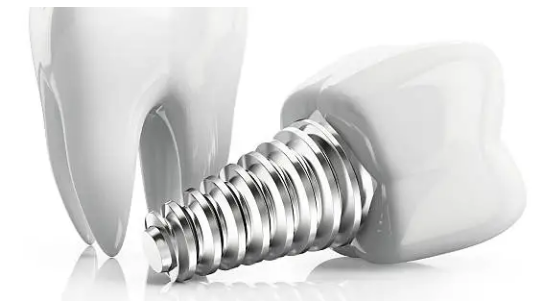
A single-tooth implant consists of an implant fixture placed into the jawbone, an abutment, and a custom-made crown. The implant fixture functions as an artificial tooth root, while the crown provides the visible replacement tooth.
The implant can integrate with the jawbone through a process called osseointegration. Once healing and integration are complete, the restoration can provide stable support for everyday activities such as eating and speaking.
Key benefits may include:
● Replacing one missing tooth without relying on neighbouring teeth for support
● Providing a stable alternative to a removable denture
● Supporting normal chewing function
● Creating a natural-looking replacement when carefully planned
● Helping maintain bone stimulation in the area of the missing tooth
Not every patient is automatically suitable for implants. Your oral health, bone volume, medical history, smoking status and ability to maintain good oral hygiene can all influence treatment planning.
When Bone Grafting May Be Needed
Some patients considering dental implants have already experienced significant bone loss. In these cases, bone grafting for dental implants may be recommended to increase available bone volume.
Bone grafting involves placing graft material where additional bone support is needed. Depending on the individual situation, the graft may need time to heal before an implant can be placed, although in some cases grafting can be performed at the time of implant surgery.
A detailed examination and appropriate dental imaging are essential for determining whether grafting is necessary. Your dentist can explain the proposed approach, healing requirements and alternatives based on your individual anatomy.
Dental Implants for Glenelg and West Lakes Patients
For people living in Glenelg, West Lakes and nearby Adelaide suburbs, replacing a missing tooth does not have to be delayed indefinitely. A consultation allows your dentist to assess the site of the missing tooth and determine whether an implant, bridge, denture, or another solution is most appropriate.
Good planning is particularly important when bone preservation is a priority. Factors such as extraction timing, existing infection, gum health, and available bone can affect the treatment sequence.
Protect Your Smile After Tooth Loss
Replacing a missing tooth can be about more than appearance. Dental implants may provide a long-term teeth replacement option while helping preserve jaw function and structure.
If you have recently lost a tooth or have a failing tooth in Glenelg, West Lakes or elsewhere in Adelaide, arrange an assessment with a qualified dentist. An early evaluation can help determine your options and whether bone grafting or a single-tooth implant suits your needs.
Conclusion
Tooth loss can contribute to gradual changes in the jawbone, but timely treatment may help address both the missing tooth and the underlying support. A single-tooth implant can replace both the tooth root and crown, while bone grafting may be considered when you need additional bone volume. Speak with an Adelaide dental professional to choose the best approach to protect your oral health and restore your smile.
—
Frequently Asked Questions
1. Can a single tooth implant prevent bone loss?
An implant replaces the missing tooth root and, once successfully integrated, can stimulate the surrounding jawbone. However, it cannot restore bone that has already been lost.
2. What is a single tooth implant?
A single tooth implant is an implant-supported replacement for one missing tooth. It typically includes an implant fixture, an abutment, and a dental crown.
3. When is bone grafting needed for dental implants?
Bone grafting may be recommended when bone volume or density is insufficient to support an implant.
4. Can dental implants be placed immediately after extraction?
In selected cases, an implant may be placed immediately after a tooth is removed. Suitability depends on factors including the condition of the extraction site, infection and available bone.
5. How long do dental implants last?
Implant restorations can provide long-term tooth replacement when properly planned and maintained. Regular dental examinations, good oral hygiene and appropriate professional care are important for longevity.