
Hip dysplasia is a common yet challenging condition affecting many beloved dogs in Portland’s vibrant canine community. As a pet owner, discovering that your furry friend is struggling with hip dysplasia can be distressing. However, with the right knowledge and support, you can empower your pup to live a comfortable and fulfilling life. In this article, we’ll explore the ins and outs of navigating therapy for dogs with hip dysplasia, offering insights and guidance for dog lovers facing this journey.
Understanding Hip Dysplasia:
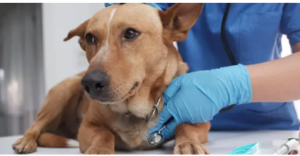 Foremost, it’s crucial to grasp the nature of hip dysplasia and its impact on dogs. This genetic condition manifests as an irregular development of the hip joint, resulting in instability, discomfort, and eventual arthritis. Although specific breeds may have a higher predisposition, hip dysplasia can affect dogs of any size or age indiscriminately.
Recognising the Signs:
Identifying the early signs of hip dysplasia is pivotal for successful management and treatment. Typical indicators encompass challenges in rising or sitting, noticeable limping, hesitation to navigate stairs or leaps, and a decrease in activity levels. Should you observe any of these signals in your dog, seeking prompt veterinary consultation is imperative to secure an accurate diagnosis.
Diagnosis and Treatment Options:
If hip dysplasia is suspected, your veterinarian will perform a meticulous physical examination and might suggest diagnostic procedures like X-rays to validate the diagnosis. Upon confirmation, the attention turns to crafting a personalised treatment regimen tailored to address your dog’s specific requirements.
Therapeutic Approaches:
Therapy for dogs with hip dysplasia aims to alleviate pain and enhance your dog’s overall quality of life. In Portland, there are various therapeutic approaches available, ranging from conservative management to surgical intervention.
- Weight Management: Maintaining a healthy weight is undeniably crucial for dogs with hip dysplasia, as excess weight exacerbates joint strain and discomfort. Your veterinarian can guide proper nutrition and exercise to help your pup significantly achieve and maintain an ideal weight.
- Physical Therapy: Physical therapy significantly plays an essential role in managing hip dysplasia by strengthening muscles, improving flexibility, and promoting joint stability. Certified canine rehabilitation therapists in Portland offer tailored exercise programs, hydrotherapy, massage, and other modalities to address your dog’s specific needs.
- Pain Management: Pain management is undeniably a cornerstone of hip dysplasia treatment, and various medications and supplements can help alleviate discomfort and inflammation. Your veterinarian may prescribe nonsteroidal anti-inflammatory drugs (NSAIDs), joint supplements containing glucosamine and chondroitin, or other pain-relieving medications to keep your pup comfortable.
- Surgical Intervention: In severe cases of hip dysplasia where conservative measures are ineffective, surgical intervention may be necessary. Surgical options such as hip replacement, femoral head ostectomy (FHO), or triple pelvic osteotomy (TPO) aim to significantly improve joint function and alleviate pain, allowing your dog to enjoy an active lifestyle once again.
Navigating Therapy in Portland:
Portland’s canine community is fortunate to have a wealth of resources and professionals dedicated to supporting dogs with hip dysplasia. When navigating therapy options for your pup, consider the following tips:
- Research: Take the time to research reputable veterinarians, rehabilitation centres, and specialists in Portland with experience in managing hip dysplasia. Look for certifications, testimonials, and reviews to ensure you’re making informed decisions about your dog’s care.
- Collaboration: Establish thorough, open communication and collaboration with your veterinarian and rehabilitation team. Work together to develop a customised treatment plan that addresses your dog’s unique needs and goals. Regular follow-up appointments and adjustments to the overall treatment plan may be necessary to optimise outcomes.
- Support Network: Seek support from fellow dog lovers in Portland who have experience navigating hip dysplasia. Online forums, support groups, and local meetups can provide valuable insights, encouragement, and solidarity as you embark on this journey with your pup.
- Holistic Approach: Consider incorporating holistic modalities such as acupuncture, chiropractic care, and herbal medicine into your dog’s treatment plan under the guidance of qualified practitioners. These complementary therapies can remarkably enhance the effectiveness of conventional treatments and promote overall well-being.
Navigating therapy for dogs with hip dysplasia requires dedication, patience, and a collaborative approach. By understanding the condition, recognising the signs, and exploring therapeutic options, you can empower your pup to live a fulfilling life despite hip dysplasia. With the support of knowledgeable professionals and a supportive community, you can navigate this journey with confidence, knowing that you’re providing the best possible care for your furry friend.