
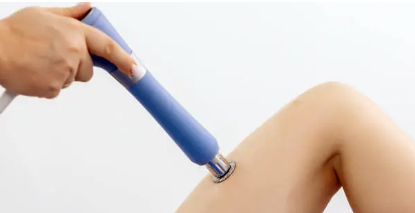
In recent years, there has been a growing shift in the way healthcare professionals approach pain management and rehabilitation. Traditional methods, while effective, often involve long-term use of medication, invasive procedures, or lengthy recovery periods. That is why more clinics in Adelaide are turning to Shockwave Therapy, a modern, non-invasive solution that has been gaining recognition for its ability to relieve pain and accelerate healing. With excellent proven results across a wide range of musculoskeletal conditions, it’s no surprise that Shockwave Therapy is becoming a recommended treatment option in clinics worldwide.
What Is Shockwave Therapy?
Shockwave Therapy, also popularly referred to as Extracorporeal Shockwave Therapy (ESWT), uses acoustic sound waves to stimulate the body’s natural healing process. These shockwaves penetrate the affected tissues, improving circulation, breaking down scar tissue, and stimulating the production of new collagen. Originally developed for breaking down kidney stones, this effective technology has since expanded into sports medicine, orthopedics, and physical rehabilitation.
The therapy stands out because it not only targets pain but also addresses the underlying causes, such as inflammation, tissue damage, or calcification. It makes it an effective long-term solution for patients who have seriously struggled with chronic pain and limited mobility.
Why Clinics Are Recommending Shockwave Therapy
Clinics are increasingly recommending Shockwave Therapy because of its versatility, effectiveness, and safety. Unlike traditional treatments that rely heavily on medications or surgical intervention, this therapy offers a drug-free and non-invasive alternative.
Here are the main reasons why it is becoming a preferred treatment option in healthcare facilities:
Non-invasive and drug-free
Many patients prefer treatments that don’t require surgery or medication. Shockwave Therapy provides pain relief and healing without the risks or side effects often associated with pharmaceuticals or invasive procedures.
Proven effectiveness
Research has shown that Shockwave Therapy can significantly reduce pain and improve mobility in conditions like plantar fasciitis, tendonitis, tennis elbow, and muscle strains. Clinics value their evidence-based results.
Faster recovery times
For athletes and active individuals, Shockwave Therapy is a game-changer. It promotes quicker healing, allowing patients to return to their routines sooner than with traditional rehabilitation methods.
Minimal downtime
Unlike surgery, which requires weeks or months of rest, Shockwave Therapy allows patients to resume light activity almost immediately, making it practical for busy lifestyles.
Long-term benefits
By stimulating tissue repair and significantly improving blood circulation, Shockwave Therapy offers results that go beyond temporary pain relief. Clinics recommend it because it provides sustainable improvements in mobility and comfort.
Conditions Commonly Treated With Shockwave Therapy
One of the reasons for its popularity is its wide range of applications across various conditions. Clinics recommend Shockwave Therapy for:
Plantar fasciitis and heel pain
Achilles tendonitis
Rotator cuff injuries
Tennis elbow and golfer’s elbow
Muscle strains and stiffness
Shoulder, hip, and knee pain
Stress injuries and overuse conditions
This versatility means clinics can integrate Shockwave Therapy into treatment plans for patients with both acute injuries and chronic conditions.
What Patients Can Expect
A typical session lasts about 15–30 minutes. The healthcare professional applies a gel to the affected area and then significantly uses a handheld device to deliver the shockwaves. While some patients may experience mild discomfort, the procedure is generally well-tolerated.
Most patients require between three and six sessions, depending on the severity of the condition. Many report noticeable improvements after just a couple of treatments, with continued benefits in the weeks that follow. Importantly, there is little to no recovery time so that patients can get back to their daily activities quickly.
Safety and Patient Confidence
Another reason clinics are recommending Shockwave Therapy is its strong safety profile. The procedure is non-invasive, and side effects are typically mild and temporary, such as slight soreness or redness in the treated area. It makes it suitable for a wide range of patients, including those who may not be ideal candidates for surgery or long-term medication.
However, healthcare professionals always conduct thorough assessments before recommending Shockwave Therapy. Pregnant women, individuals with bleeding disorders, and even those with specific heart conditions may be advised against it. Still, for the majority of patients, it remains a safe and highly effective treatment option.
Conclusion
More and more clinics in Adelaide are recommending Shockwave Therapy because it offers patients what they truly need: a safe, effective, and non-invasive way to reduce pain and recover faster. By improving blood circulation, breaking down scar tissue, and stimulating natural healing, Shockwave Therapy goes beyond temporary relief to deliver lasting results.
As clinics continue to adopt this innovative approach, patients struggling with chronic pain or injuries now have access to a modern solution that can restore mobility and quality of life without surgery or long-term medication. Shockwave Therapy is not just a treatment—it’s a breakthrough in rehabilitation that is reshaping how clinics support their patients’ recovery journeys.