
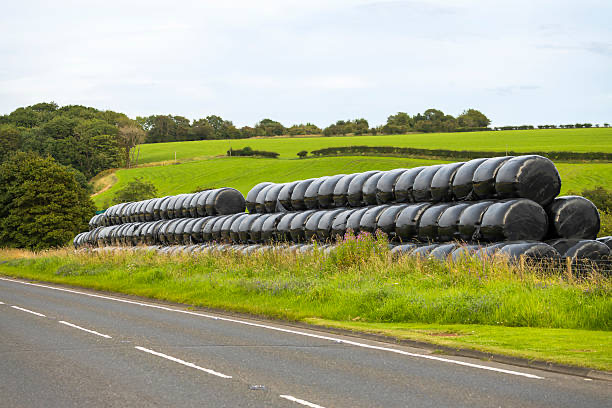
In the vast agricultural landscape of Australia, selecting the right net wrap Australia is crucial for ensuring the quality and efficiency of bale production. With the increasing reliance on net wrap to protect hay, straw, and silage bales, farmers and agricultural businesses must make informed decisions. However, many fall into common pitfalls when purchasing net wrap Australia, which can lead to increased costs, equipment issues, and compromised bale integrity. This article aims to highlight these mistakes and guide buyers towards smarter purchasing decisions.
Understanding Net Wrap: Why It Matters
Net wrap is a type of plastic mesh used to wrap around or square bales, providing protection against weather and pests while maintaining bale shape and quality. The Australian farming environment, with its unique climatic conditions and crop varieties, demands specific net wrap features. Choosing the wrong product can lead to poor bale preservation and wastage, affecting overall farm profitability.
Mistake #1: Ignoring Net Wrap Specifications and Compatibility
One of the biggest errors in purchasing net wrap Australia is overlooking the specifications and compatibility with baling machinery. Net wrap comes in various sizes, thicknesses, and strengths. Not all net wrap products fit every baler model or bale size perfectly.
Using net wrap that is too narrow or thin can cause frequent breakages, halting production and increasing downtime. Conversely, excessively thick or wide net wrap might lead to machine jams or unnecessary cost increases. Before purchasing, it is critical to consult baler manuals or manufacturers to identify the net wrap dimensions and tensile strength best suited for your machinery and bale types.
Mistake #2: Prioritising Price Over Quality
Cost is always a factor, especially for large-scale operations. However, opting for the cheapest net wrap Australia option often results in hidden expenses. Low-quality net wrap may degrade quickly under sun exposure, tear during wrapping, or fail to hold bales tightly.
Investing in high-quality net wrap offers better UV resistance, stronger holding power, and longer-lasting durability, which reduces replacement frequency and protects bale quality during storage and transport. Australian farmers should balance price considerations with proven performance to avoid the false economy of cheap net wrap.
Mistake #3: Overlooking Local Climate Conditions
Australia’s diverse climate zones—from the humid tropics of Queensland to the arid interior and temperate coastal regions—significantly impact the performance of net wrap over time. Net wrap exposed to intense UV radiation and extreme heat requires enhanced UV stabilisers to prevent premature breakdown.
A common mistake is purchasing generic net wrap products without considering regional climatic stressors. Selecting net wrap Australia with tailored UV protection and weather resistance for your specific location ensures bales remain intact and valuable through variable conditions.
Mistake #4: Neglecting Environmental and Disposal Considerations
Sustainability is increasingly important in Australian agriculture. Many buyers do not consider the environmental impact of net wrap materials and disposal options. Standard polyethylene net wrap, if not disposed of properly, contributes to plastic pollution.
Choosing net wrap Australia brands that offer recyclable or biodegradable options can reduce environmental footprints. Additionally, buyers should plan for responsible disposal or recycling programs to align with Australian environmental regulations and community expectations.
Mistake #5: Failing to Check for Reliable Supplier Support
Purchasing net wrap is not just about the product itself but also about service and supplier reliability. Some farmers make the mistake of selecting suppliers based solely on price or availability, neglecting the importance of support services.
A dependable supplier provides guidance on product selection, timely delivery, and after-sales service. They may also offer training on optimal usage to minimise waste and maximise bale protection. Building a relationship with a trusted net wrap Australia supplier enhances the overall purchasing experience and operational efficiency.
Mistake #6: Not Considering Storage Conditions
Improper storage of net wrap before use can degrade its quality. Buyers often overlook this aspect and fail to inquire about storage recommendations from suppliers.
Net wrap should be stored in a cool, dry place away from direct sunlight to maintain its strength and flexibility. In Australia’s harsh sun, improper storage can accelerate material deterioration, leading to weak or brittle net wrap that fails during baling operations.
Mistake #7: Buying Without Testing or Samples
Jumping straight to large volume purchases without testing the net wrap on your baler and crop type can be costly. Each farm’s baling process is unique, and what works well on one property might not be optimal elsewhere.
Requesting samples and conducting small-scale trials before committing to bulk orders allows farmers to verify performance, durability, and compatibility. This precaution prevents large-scale waste and dissatisfaction with unsuitable products.
Conclusion: Making Informed Net Wrap Choices in Australia
Avoiding these common purchasing mistakes can save Australian farmers significant time, money, and frustration. By understanding net wrap specifications, balancing price with quality, considering local environmental factors, prioritising sustainability, choosing reliable suppliers, ensuring proper storage, and testing before buying, farmers can secure the best net wrap Australia has to offer.
Making smarter net wrap decisions ultimately protects bale quality, reduces operational disruptions, and contributes to a more sustainable and profitable agricultural practice across Australia’s diverse farming regions.